For most consumers, Black Friday is an exciting chance to save big! For retailers? It’s a stress test for the entire store. Queues grow, shelves empty fast, and every square metre of floor space is often pushed to its limit.
When the rush hits, even small design flaws become obvious. Narrow aisles, awkward product flow, or cramped pay points suddenly turn into bottlenecks. And while effective marketing brings people through the door, it’s good design that keeps shoppers moving once they’re inside.
In short, peak trading is the ultimate reminder that retail success is about how well the store itself performs under pressure.
Design for Flow, Not Frustration
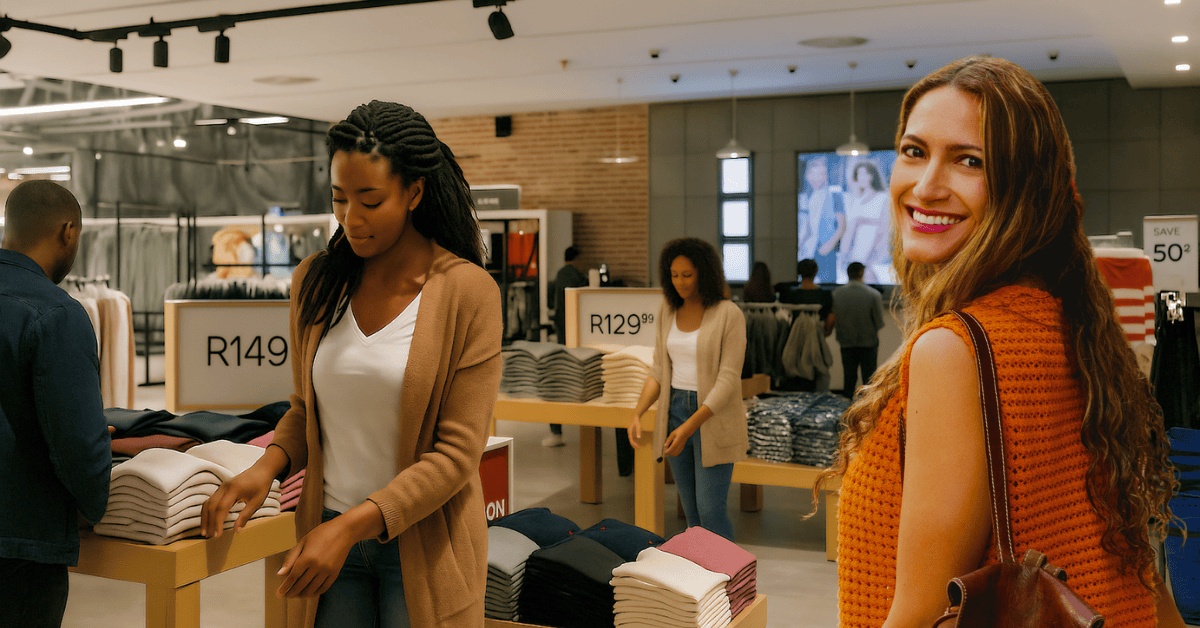
While considered architecture and expensive finishes certainly enhance the shopper experience, flow is what separates chaos from calm. Clear sightlines help customers orient themselves quickly, and logical product groupings guide traffic naturally, reducing congestion. Uncluttered walkways and well-positioned displays create rhythm and that subtle sense that the store “just works.”
A well-planned layout gives customers space to browse comfortably and, importantly, helps staff restock and assist efficiently. It’s about designing with empathy for both sides of the counter.
Flexibility, the Unsung Hero
Peak periods also show how valuable flexibility can be. Retail spaces need to evolve constantly because one week it’s Black Friday, the next it’s the festive season, and soon after it’s clearance sales.
Modular fixtures, movable shelving, and adaptable zones make it easier to respond without starting from scratch. Smart design looks ahead, making it simple to reconfigure layouts for new promotions or increased foot traffic.
Stores that plan for flexibility can handle anything the trading calendar throws their way. Plus, the investment pays off every time a layout change takes hours instead of days.
Durability and Detail Matter
During peak trade, stores can take a real beating, so durable materials and thoughtful detailing are essential. A well-built fit-out stands up to heavy use and still looks good at closing time. Strong joinery, quality finishes, and easy-to-clean surfaces reduce maintenance and protect the brand’s image.
It’s the small details like the alignment of a counter edge or the strength of a hinge that separate a space that survives the season from one that still looks sharp a year later.
Design for People, Not Just Shoppers
Behind every busy shopfront is a team working just as hard, and a well-designed store considers their experience too. Efficient stockroom layouts, accessible service areas, and ergonomic counters all help staff perform better under pressure. When the team can move easily and find what they need, they stay calm and confident. That calm filters through to the customer experience.
Beyond the Rush
While Black Friday puts a fair amount to the test, the same principles that make it work during peak season make it work all year round. A store that flows well, adapts easily, and withstands heavy traffic is a better place to shop and work. It performs reliably in busy times and stays cost-efficient during quiet ones.
Retailers who invest in thoughtful design aren’t just preparing for one big day; they’re also setting themselves up for long-term success. Why? When a space is built to handle pressure, it handles everything else with ease.