Every shopfitting project demands something different in manufacturing. A bespoke interior design piece may require intricate detailing and problem-solving, while a larger rollout brings the challenge of reproducing the same standard repeatedly. In both cases, the quality of the finished result depends heavily on what happens long before installation begins.
Strong manufacturing brings people, technology, and processes together to turn a project specification into something that works as intended.
The more than five decades of manufacturing experience have shaped how we work at ALCLAD, combining skilled craftsmanship, modern technology and careful execution to deliver quality across projects of different sizes and requirements.
Precision Needs to Be Repeatable
Accuracy matters in a manufacturing environment for shopfitting, whether producing a one-off element or multiple components for a larger project. Drawings and specifications need to translate accurately into physical pieces that look good, fit together seamlessly, and perform as intended once they reach the site.
It’s also why experience matters. Materials don’t always behave exactly as expected, and shopfitting projects rarely follow an identical formula. Knowing when something needs a closer look, or when an approach needs to change, comes from understanding both the work and the materials you’re working with. And while technology has changed how much of that work gets done, the judgement behind it is still vital.
Better Tools, Skilled Hands
Today’s manufacturing technology lets teams work with greater accuracy, efficiency, and repeatability, but good machinery doesn’t replace good people.
Skilled craftspeople bring judgement and practical knowledge that technology alone can’t provide. They understand how components need to come together, what a finish should look like, and when something isn’t quite right.
Whether the work requires unique detailing or repeatable production, technology works best when people support it and understand the purpose behind what they’re creating. At its best, modern manufacturing brings those strengths together, giving skilled people better tools to do what they do well.
And that matters because you can’t simply check quality at the end.
Quality Starts Earlier Than You Think
By the time you inspect a finished product, much of the work that determines its quality has already happened.
Clear specifications, accurate manufacturing, and careful checks along the way all help prevent small issues from becoming bigger ones later. Catching something early can avoid complications down the line, whether it’s an issue with one bespoke component or an inconsistency that could repeat across a larger production run.
In other words, quality isn’t something you add at the end. It needs to be part of the process from the beginning.
When One Becomes Many
Those same manufacturing principles take on even greater importance when one project becomes many.
For businesses operating across multiple sites, individual locations may have different layouts or requirements, but the brand experience still needs to feel consistent. Manufacturers therefore need to balance repeatability with enough flexibility to accommodate the realities of each environment.
In-house manufacturing gives ALCLAD greater oversight of this process, helping us maintain consistency for both a single environment and a larger rollout.
What Leaves the Factory Matters on Site
When components arrive on site accurately manufactured and ready for installation, teams can focus on bringing the space together rather than solving problems. This is particularly valuable when installation programmes are tight, and delays at one stage can affect everything that follows.
It’s why we don’t see manufacturing as an isolated part of a project. What happens on the factory floor ultimately influences what happens on site and, eventually, what the client and customer experience in the finished space.
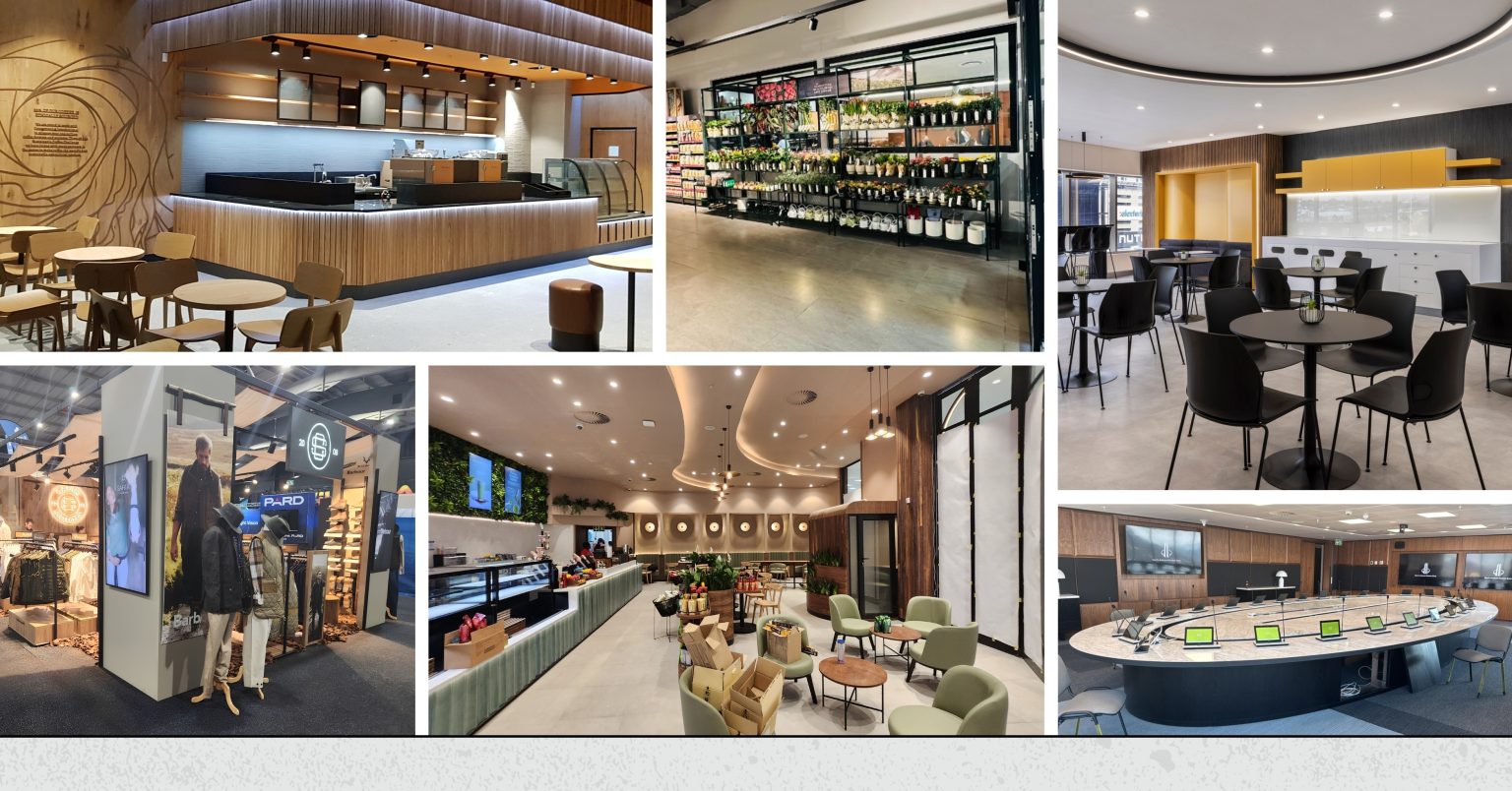
For ALCLAD, manufacturing with purpose means combining experience, craftsmanship, and modern capability to deliver what each project requires, whether that’s one bespoke element, a complete interior, or a rollout across multiple locations.