
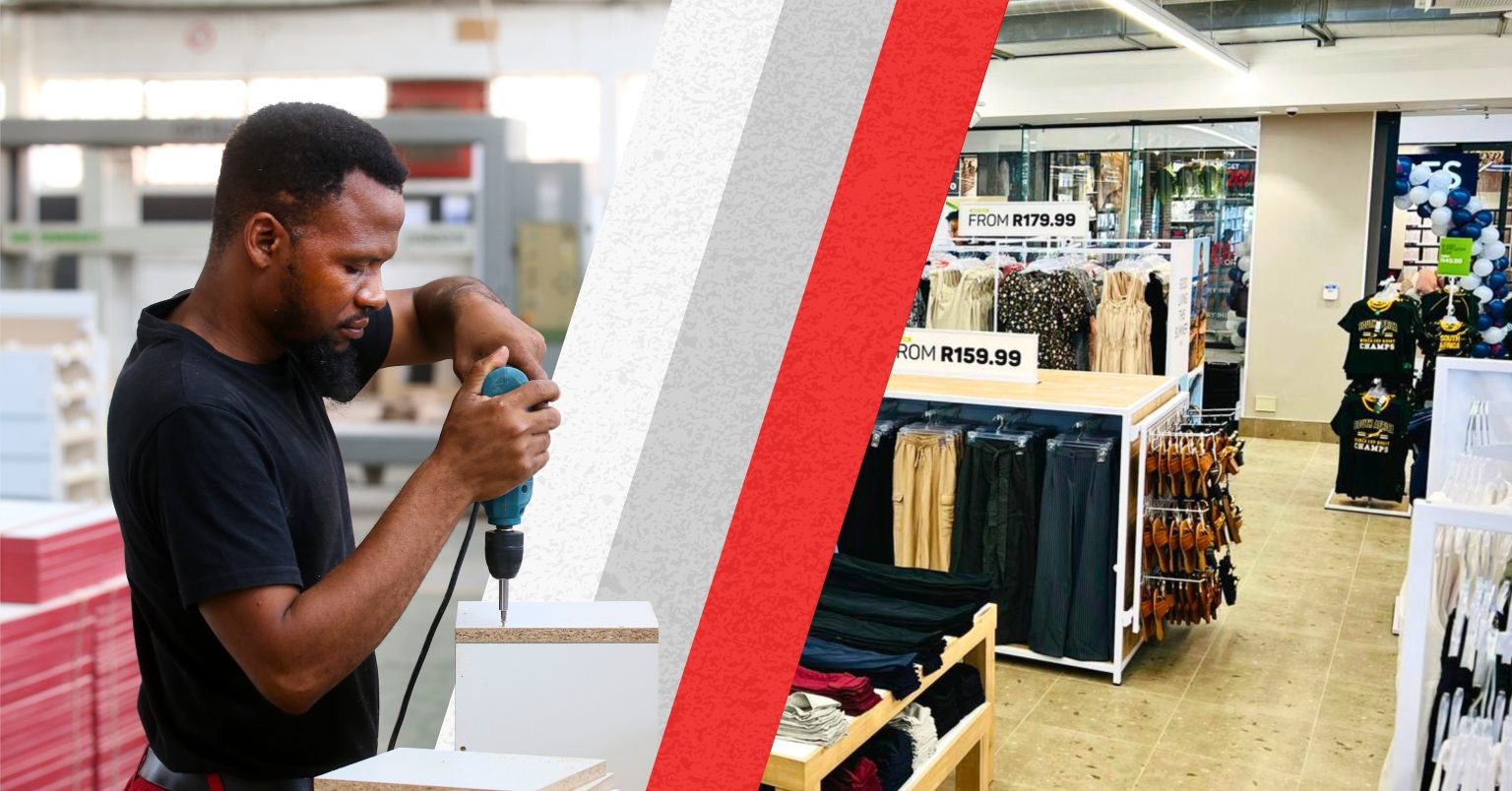
Many retailers spend significant time reviewing performance figures, stock levels, and sales strategies throughout the year. The physical environment itself often receives less attention until something stops working or a major refurbishment becomes unavoidable.
The condition of a store plays an important role in how customers experience a brand. Layouts influence movement, fixtures affect product presentation, and wear and tear can gradually affect the overall perception of the space. These aspects can often go unnoticed by those who see it every day.
This is why mid-year presents an important opportunity. With peak trading periods still ahead, retailers have time to assess their environments, address potential issues, and make improvements before customer traffic increases.
Recognising the Signs
Store environments rarely decline overnight. More often, changes happen gradually, and areas that once felt fresh and engaging start to feel dated or less efficient. These issues may seem minor in isolation, but collectively they can affect both customer experience and operational efficiency.
“Most retailers are very focused on what they’re selling, which is understandable. But how customers move through the space and interact with the environment matters too. Small issues tend to build up over time if they’re not addressed”
Craig Wilson – Managing Director of ALCLAD
Identifying these challenges early allows businesses to act before they begin affecting performance more significantly.
Looking Beyond Maintenance
Reassessing a store environment does not always mean undertaking a major refurbishment. In many cases, targeted improvements can make a meaningful difference.
Replacing worn fixtures, refreshing customer-facing areas, improving layouts, or updating selected elements of a fit-out can enhance both functionality and presentation without extensive disruption.
Small upgrades often deliver value by addressing specific operational challenges and helping to maintain a positive customer experience.
Preparing for Peak Trading
Mid-year is also a practical time to prepare for seasonal campaigns and higher customer volumes later in the year. Retail environments experience increased pressure during peak trading periods. Fixtures receive greater use, displays change more frequently, and customer traffic increases significantly.
Addressing maintenance requirements and operational improvements before this happens allows retailers to enter the busy season with greater confidence.
Craig Wilson adds, “It’s much easier to make planned improvements when you have time to do them properly than to deal with unexpected issues during your busiest period.”
This is particularly true for retailers managing multiple locations, where consistency across stores becomes even more important as customer activity increases.
Protecting Long-Term Performance
Proactive maintenance comes at a cost, but in reality, it can help avoid higher costs later. Small repairs and preventative work are generally easier to manage than reactive interventions that occur after a problem has already affected operations.
Tackling issues early also helps extend the lifespan of fixtures, finishes, and interior elements that represent a significant investment. Perhaps more importantly, it helps maintain the standards customers expect when they enter a store.
A Good Time to Take Stock
Mid-year provides a natural opportunity to step back and assess whether an interior environment is still supporting objectives as effectively as it should. In many cases, relatively small improvements can strengthen customer experience, improve operational efficiency, and ensure the space is ready for the demands of the months ahead.
The retailers who benefit most from peak trading periods are often those who begin preparing long before the rush arrives.