In manufacturing, waste is often seen as something to remove from the process as quickly as possible. Offcuts are cleared away, dust is extracted, and production moves on to the next job.
But sometimes the smarter approach is not simply removing waste, but finding practical ways to use it more effectively.
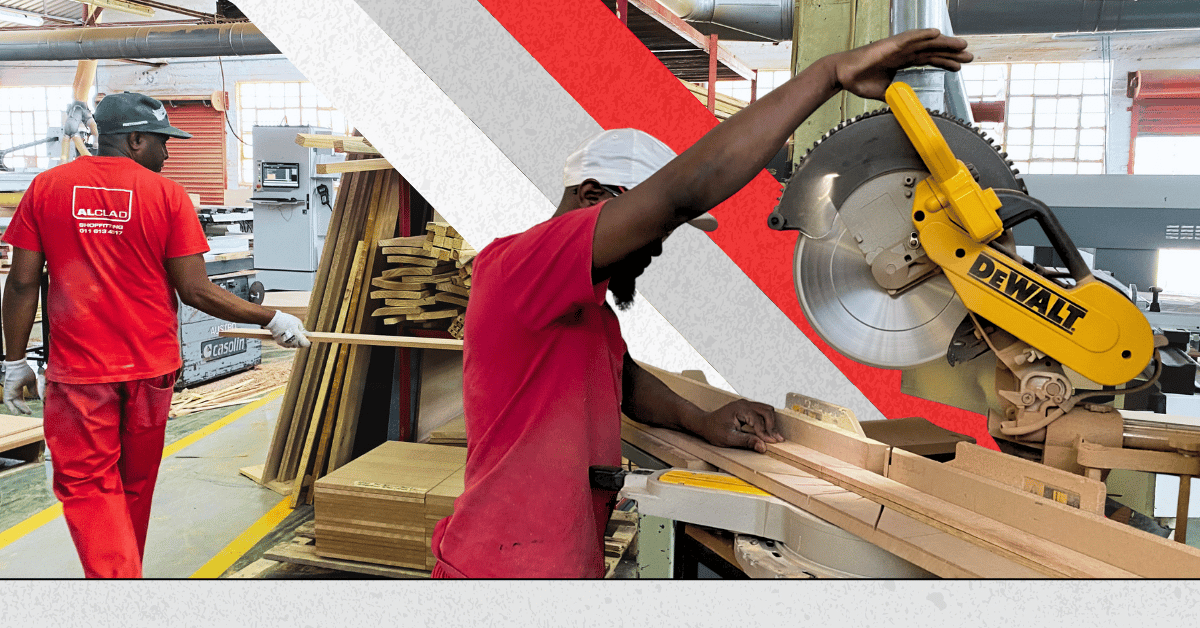
In woodworking and joinery manufacturing, sawdust is a natural byproduct of the process. Every panel cut, component shaped, and piece of joinery produced creates material that would traditionally be discarded. At ALCLAD, that byproduct has become part of a more practical approach to sustainability.
Rather than allowing sawdust to go to waste, it’s repurposed as a heating fuel during winter, helping to warm parts of the factory in Johannesburg’s colder months. It’s not a complicated solution, and that’s part of the point.
Sustainability is often discussed in large, ambitious terms, but meaningful change also happens through smaller operational decisions that improve efficiency, reduce waste, and make better use of the resources already within the process.
In this case, material that was already part of manufacturing continues to serve a purpose beyond production.
Practical Sustainability
Manufacturing environments naturally consume energy, materials, and resources, which means sustainability needs to be approached realistically and consistently. The biggest impact often comes from practical improvements that can be sustained over time rather than one-off initiatives.
Repurposing sawdust as a heating source is one example of that thinking in practice. It reduces unnecessary waste while extracting additional value from materials already used in production every day.
More importantly, it reflects an approach where sustainability is built into operations rather than treated as a separate exercise.
That same thinking influences other areas of our business, from material choices and energy-efficient systems to reducing waste throughout the manufacturing process.
Crafting A Better Environment
The initiative also serves another purpose: creating a more comfortable working environment for our teams on the factory floor during winter.
Manufacturing spaces can become extremely cold during Joburg mornings, especially in large production facilities where teams spend long hours working with machinery, materials, and precision tools.
Heating the environment may seem like a small detail, but it directly impacts comfort, morale, and the overall working environment.
At ALCLAD, there’s a strong understanding that quality craftsmanship starts with the people doing the work. Creating better working conditions is therefore not separate from producing quality outcomes; the two are closely connected.
Made with Purpose
Sustainability and workplace wellbeing are often discussed as separate ideas, but in practice, they are closely linked.
Finding smarter ways to reduce waste while improving day-to-day conditions for teams creates benefits that extend beyond the factory floor. It supports a more thoughtful manufacturing process, makes better use of available resources, and reinforces a working environment where people feel valued.
In many ways, that reflects what our “Made with Purpose” ethos means in practice. No dramatic gestures or unnecessary complexity, but practical decisions that improve how things work, both for our business and the people behind it.