
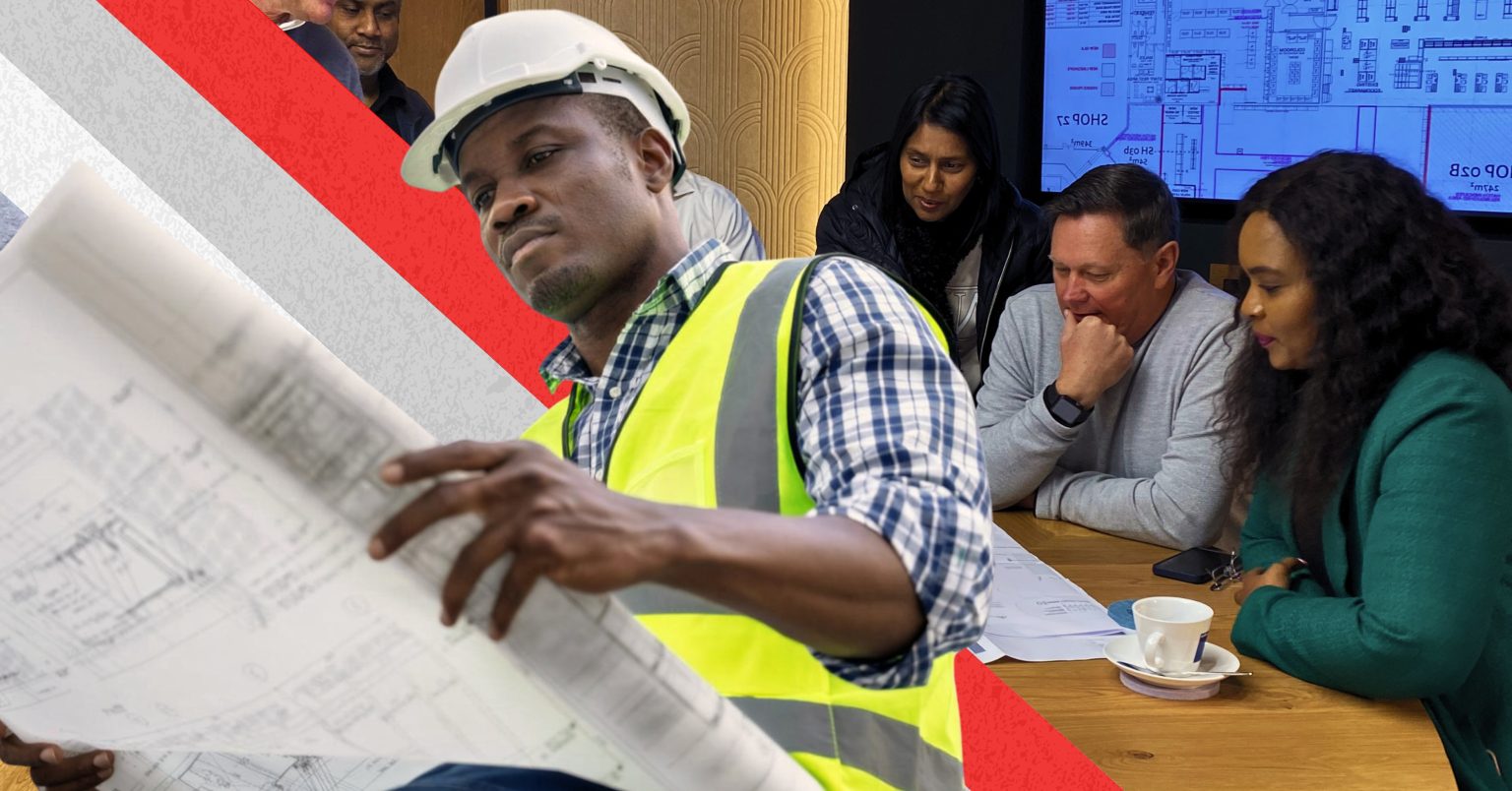
In large-scale shopfitting and interior projects, implementation is often perceived as the stage when plans are executed, sites are completed, and doors open to the public. In practice, effective implementation starts well before teams reach the site. It depends on coordination, strategic planning, direct communication, and skilful management of moving parts while maintaining focus on the bigger picture.
That becomes even more important in retail and multi-site rollouts, where consistency, timing, and quality must be maintained across multiple locations, often under tight deadlines and in active environments.
Strong implementation ensures every site is delivered to the same standard, with minimal disruption, and enough flexibility to adapt when conditions inevitably shift.
Precision Beyond Installation
Implementation depends on precision at every stage. Drawings need to be accurate, production timelines need to align with site schedules, and installation teams need to work from the same shared understanding of what’s being delivered.
In rollout environments, small inconsistencies can quickly become larger problems. A delayed component, an incorrect measurement, or a miscommunication between teams can affect multiple sites at once. This is why implementation needs to be approached as a coordinated process rather than a standalone activity.
The Coordination Behind the Work
One of the least visible but most important parts of implementation is coordination. Large rollouts often involve multiple trades, suppliers, delivery schedules, and site-specific requirements, all of which need to be managed simultaneously. Installations may need to occur after hours to minimise disruption, and teams at different sites often work on overlapping timelines while sharing resources.
Keeping these moving parts aligned requires constant communication and careful planning. It also requires teams that understand how decisions made in one area of the project can affect everything else downstream.
This level of coordination becomes especially valuable when timelines are compressed. The ability to adapt quickly, solve problems early, and keep work moving forward without compromising quality often determines the success of a rollout.
That pressure only increases when projects extend across multiple sites, where maintaining consistency becomes just as important as keeping timelines on track.
Consistency Across Multiple Sites
Maintaining consistency at scale can be challenging in implementation. Clients expect every site to reflect the same brand standards, regardless of location. Fixtures need to align correctly, finishes need to remain consistent, and the overall customer experience needs to feel familiar across environments.
Ensuring this requires more than detailed drawings or strong manufacturing capability. It relies on disciplined implementation processes and installation teams that understand the importance of attention to detail at every site, not just the first.
Minimising Disruption While Maintaining Momentum
Many implementation projects take place in active environments, where businesses must continue operating while work is underway. Retail stores still need to trade, and commercial spaces still need to function. Timelines often leave little room for delays.
This creates additional pressure on implementation teams to operate efficiently and minimise disruption to staff, customers, and daily operations.
Planning becomes critical in these situations. Materials need to arrive when expected, installations need to follow carefully managed sequences, and teams need to work in ways that keep sites safe, organised, and operational throughout the process.
The best implementation projects are often those that feel controlled from the client’s perspective, even when significant coordination is happening behind the scenes.
That level of consistency and control ultimately comes down to the people managing the process day to day.
The People Behind the Process
Project managers keep timelines aligned, logistics teams coordinate deliveries, and site teams solve problems in real time. Installers pay attention to the details that ensure everything fits, functions, and finishes as intended.
While systems, planning, and manufacturing all play an important role, successful rollouts still rely heavily on the experience and judgment of the people involved.
In the end, implementation comes down to delivering a finished environment that works as intended. When handled properly, clients experience fewer delays, sites open on schedule, standards remain consistent, and the final result meets expectations.