
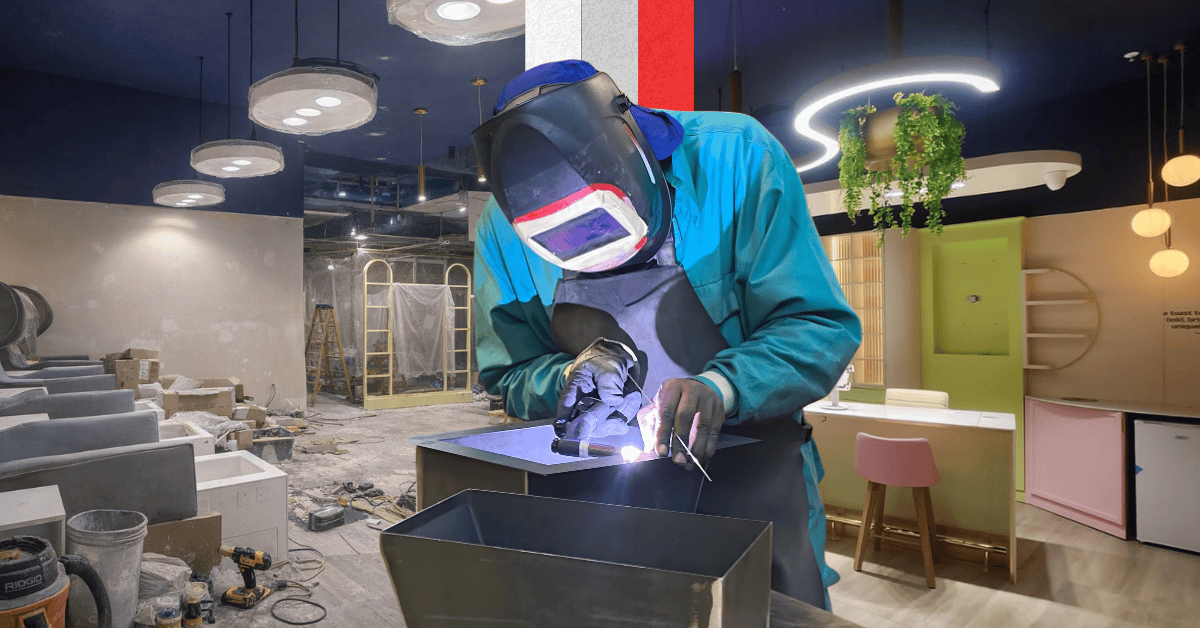
When it comes to interiors and shopfitting, quality is often associated with what can be seen, like clean finishes, sharp detailing, and materials that feel solid to the touch. These things certainly matter, but visible quality is only part of the story. True quality begins long before installation, and it’s shaped by expertise at every stage of the process.
Expertise Across the Entire Process
Delivering a high-quality interior is the result of several strong disciplines working together. Design must consider how something will be manufactured. Manufacturing must understand the intent behind the design. Implementation must ensure everything arrives and is installed as planned. When these disciplines work in silos, quality slips, but when they’re aligned from the start, the result is consistent and reliable.
Experienced teams who understand how spaces are built (not just how they’re imagined) are better equipped to anticipate challenges, resolve technical constraints, and maintain clarity throughout a project.
Craftsmanship That Can Be Seen & Felt
Craftsmanship is often judged by how something looks, but it goes further than that. Joinery should sit flush and square, and materials should be chosen to last, not just to impress. Fixtures need to line up properly, edges should be clean, and transitions should be thought through. These details give a space a sense of solidity and consistency.
Tools, Techniques, & Precision
Modern interiors demand manual skill, but also a balance between experienced people and the right technology. Advanced machinery, digital drawings, and controlled manufacturing processes allow for accuracy, particularly across large rollouts or multi-site projects. At the same time, skilled craftspeople bring judgment, material understanding, and attention to detail that technology alone cannot replicate. This combination elevates standards.
Design-for-manufacture thinking is one example. By considering production constraints and installation realities early in the process, potential inefficiencies can be removed before they reach the site. This improves timelines, reduces waste, and protects the original design intent.
Quality That Works Across Sectors
High standards don’t change from one sector to another, but how they’re applied does.
In retail, quality supports brand consistency and a reliable customer experience across multiple locations. In corporate environments, it ensures spaces are functional, compliant, and built to handle daily use. In commercial and residential projects, it shows in the craftsmanship and finish quality that clients live and work with every day. The environments differ, but the expectation remains the same.
When Expertise Becomes the Difference
The end users may not see the planning discussions, the coordination meetings, or the technical decisions that shape a project, but they do experience the outcome. They notice spaces that feel grounded, finishes that remain consistent, details that align properly, and interiors that function as intended. Quality is not something added at the end of a project; it’s built in through skilled thinking, structured processes, and careful execution at every stage. When that level of expertise is applied consistently, the difference is clear, not in claims, but in how the space performs.