
Behind every finished interior is a network of people working together to turn ideas into something real. Designers create the vision, project teams coordinate the details, and craftspeople bring materials to life. When these elements align, the result is a space that looks impressive and continues to perform long after it’s complete. That kind of outcome doesn’t happen by accident; it relies on partnership.
Built on Trust
For many clients, the success of an interior project depends on choosing the right partner from the start. It’s not just about technical ability; it’s about working with a team that communicates clearly, takes responsibility for its work, and understands the importance of delivering what was promised.
Reliable partnerships create confidence throughout a project. When communication is open and expectations are aligned early, teams can move forward with clarity rather than uncertainty. Problems are solved quickly, decisions are made with purpose, and projects progress without unnecessary disruption.
As ALCLAD’s MD, Craig Wilson puts it: “Good projects are built on trust. When everyone involved is working towards the same outcome, the process becomes far more productive.” That shared understanding is what allows complex ideas to become practical realities.
Turning Concepts into Constructible Spaces
Design is where every interior begins, but it also needs to work in practice. Materials behave in specific ways, components must be manufactured accurately, and installation must follow a sequence to ensure that every element fits together.
When these factors are considered early, the process becomes far more predictable. Designs move smoothly from concept to completion, and teams avoid the kinds of surprises that often delay projects or compromise quality.
Understanding both intent and construction requirements allows teams to find practical solutions without losing sight of the original vision.
Craftsmanship That Endures
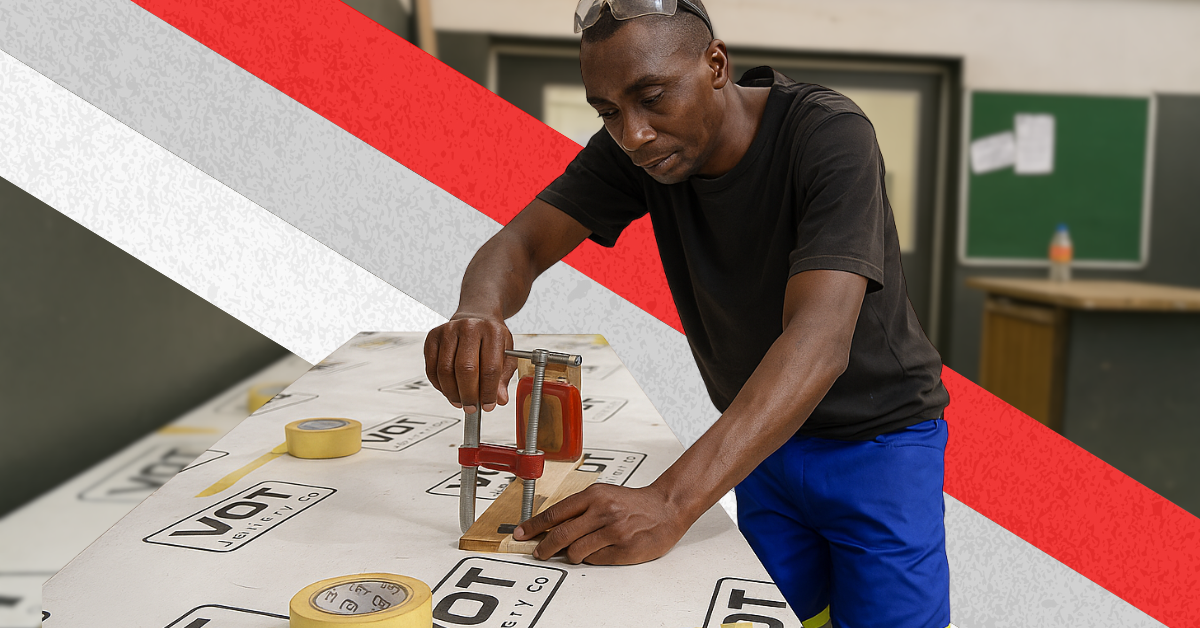
While design shapes a space, craftsmanship determines how it holds up over time. Well-made joinery sits flush and square; materials are selected for their appearance and their durability, and fixtures are installed with care, so they remain stable and reliable under daily use.
These details may seem small in isolation, but together they create interiors that feel grounded, consistent, and properly finished.
Craig Wilson reflects on this simply when he says, “Anyone can make something look good on day one. The real test is whether it still looks good years later.” That philosophy has guided ALCLAD’s work for decades.
Consistency Through Coordination
Delivering quality interiors also requires careful coordination behind the scenes. Manufacturing and installation teams, and project managers must work together closely to ensure every element arrives on site exactly as expected. When teams share the same understanding of the project and timeline, the work runs far more smoothly.
Collaboration becomes especially important on complex projects where many moving parts must come together at the right time. Consistency relies on precision, not just once, but every time the design is delivered. Integrated processes help maintain that standard while keeping projects moving.
Spaces Built to Last
Ultimately, interiors exist to serve the people who use them. Guests move through hospitality spaces, residents live within them, and staff rely on them to support daily operations. For that reason, durability matters just as much as appearance.
Reliable partners understand that their role goes beyond completing a project. It’s about delivering environments that continue to perform long after the final installation. Spaces built with care, discipline, and pride tend to stand the test of time. When they do, the difference is obvious.