
It’s easy to associate shopfitting innovation with new materials, bold design statements, or emerging technologies. In practice, however, the most valuable innovations rarely draw attention to themselves. It shows up in spaces that simply work better. For example, projects that open on time and interiors that hold up under daily use, as well as layouts that support customer flow and staff efficiency. Not forgetting rollouts that remain consistent across multiple locations. In other words, innovation that’s measured by how well it works, not how it looks.
Innovation is a Process
In commercial interiors, innovation is most effective when it’s built into the process rather than applied as a final layer. It starts long before installation and continues well after handover. This kind of thinking focuses on asking the right questions early: How will the space be used? What pressures will it face over time? How can early design decisions reduce disruption, cost, or risk later? Instead of chasing trends, process-driven innovation prioritises clarity, foresight, and repeatability, especially in environments where scale and consistency matter.
Where Innovation Begins
- Many challenges associated with shopfitting projects stem from insufficient planning. Timelines slip, specifications change, and coordination becomes reactive. Innovation at this stage means creating structured processes that anticipate complexity instead of responding to it. It means aligning design intent with implementation, understanding how things work in practice, and planning accordingly. When done properly, it creates space for creativity without compromising reliability.
Materials & Details
- Another overlooked area of innovation lies in material selection and detailing. A finish may look impressive on day one, but long-term performance tells a different story. Innovative thinking here prioritises durability, consistency, and suitability for use, not just appearance. It considers how materials will age, how easily they can be maintained, and how they behave under repeated use. The same goes for detailing. When you’re working at scale, small inaccuracies don’t stay small for long. Precision is what keeps spaces consistent, reliable, and built to last.
The Unseen Work
Some of the most valuable work in a shopfitting project is never noticed by the end user, and that’s a good thing. It’s the coordination that prevents delays, experience that avoids costly rework, and systems that ensure one store performs as well as the next. These unseen elements may not attract attention, but they protect budgets, timelines, and brand standards. So, they’re often the difference between a space that simply looks good and one that looks good and performs well for years.
Why Craftsmanship Still Matters
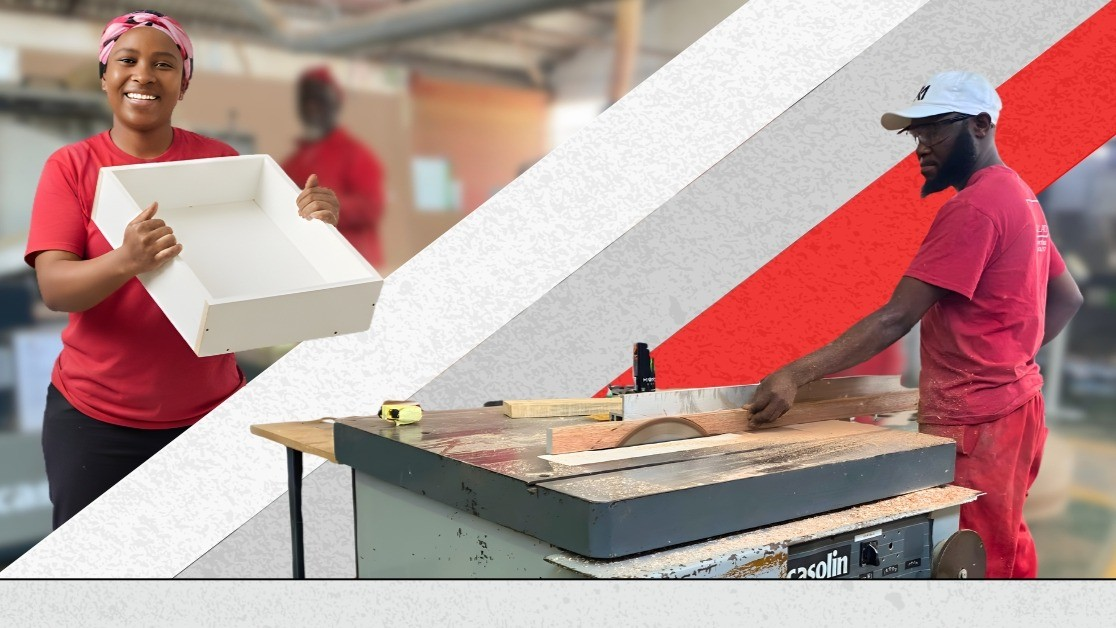
There’s a tendency to frame craftsmanship as traditional and innovation as modern, but the two are actually deeply connected. Craftsmanship provides the foundation that allows innovation to succeed. Skill, experience, and an understanding of materials are what make complex ideas executable, especially at scale. Without that grounding, innovation is unreliable.
Ultimately, innovation should be measured by its outcomes. Does the space last? Does it support daily operations efficiently? Does it reduce downtime and ongoing maintenance? And does it preserve the original design intent, even as the space evolves to meet real-world use over time? Because when something is built properly, it lasts, and that’s the kind of commitment worth celebrating.